News & Media



2025/08/01
491
In ozone generation processes, pure oxygen or oxygen enrichment is commonly used as feedstock. Oxygen sources typically include physical separation methods (such as Vacuum Pressure Swing Adsorption oxygen generation (VPSA-O₂) and cryogenic distillation) and chemical reaction-based production. Among these, VPSA-O₂ systems offer mature technology, high safety/reliability, advanced automation, and unmanned operation capabilities.
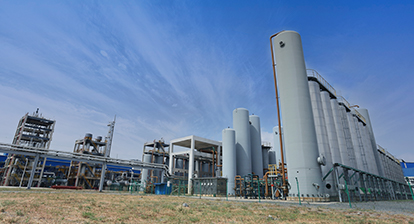
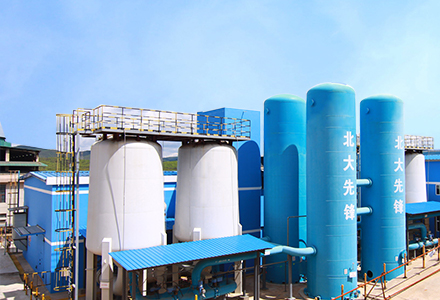
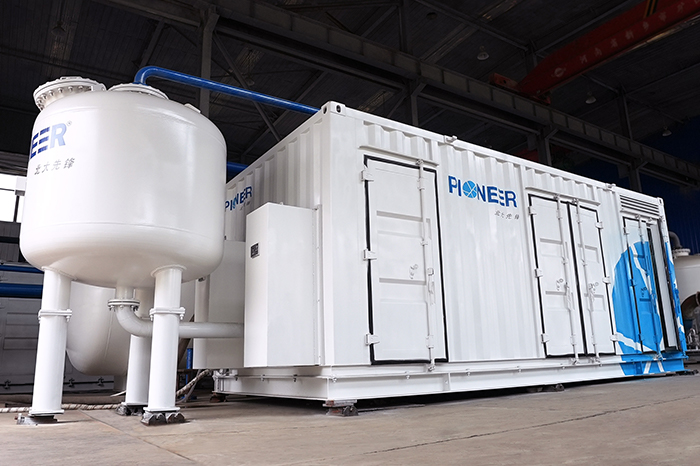
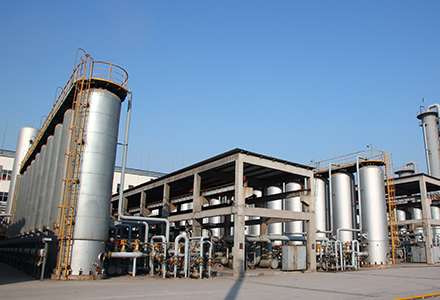
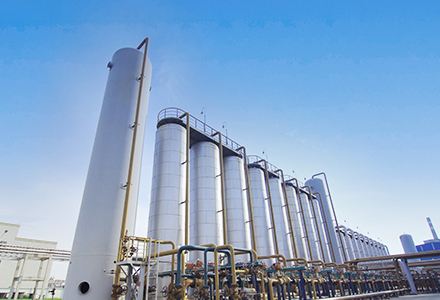
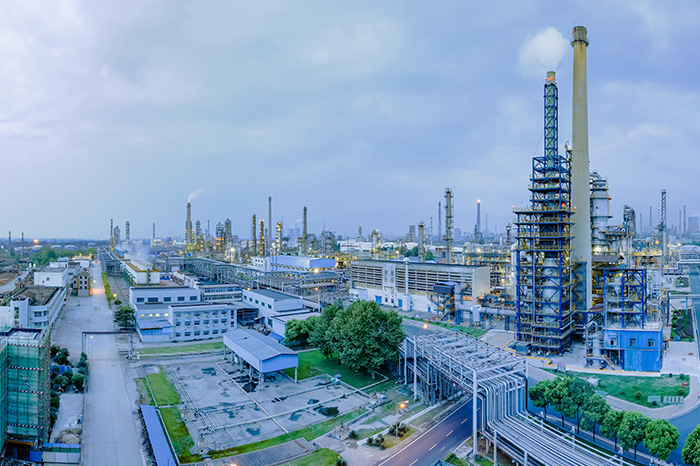
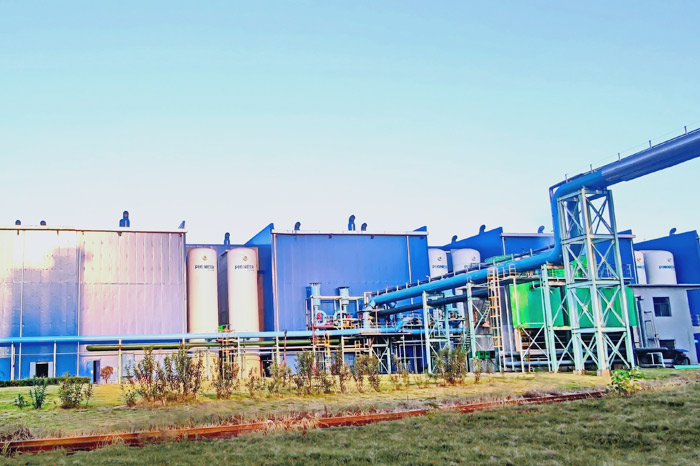
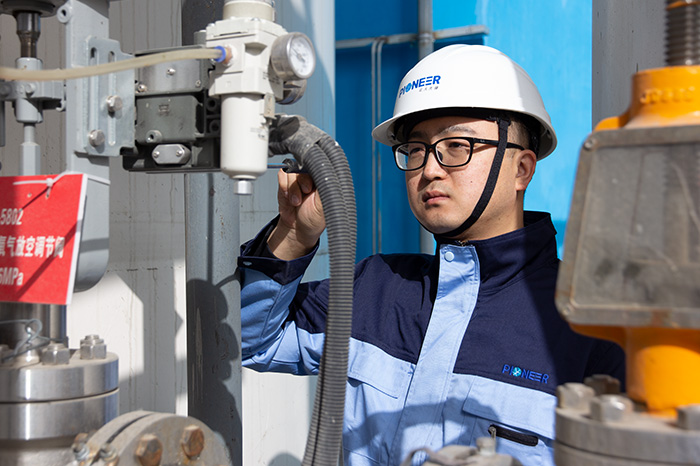
A petrochemical base in Jiangsu implemented a high-salinity wastewater treatment project (Phase I) with capacity of 12,000 t/d. The oxygen demand reaches 96,000 m³/day, supplied through both liquid oxygen systems and VPSA-O₂ systems. PKU Pioneer designed two dual-tower VPSA-O₂ units for this facility. Each unit comprises blowers, vacuum pumps, dual-shaft motors, adsorber vessels, heat exchangers, oxygen compressors, and auxiliary equipment. The two adsorber vessels operate alternately in oxygen production and vacuum desorption modes, achieving continuous operation through intelligent switching.
PKU Pioneer delivered VPSA-O₂ systems with a total output of 2×2,000 m³/h (92% purity), including oxygen generation and oxygen compressor..
In the high-salinity wastewater treatment project (Phase I), the daily oxygen consumption is 96,000 m³. If liquid oxygen is used for supply, with about 700 m³ of oxygen produced per ton of liquid oxygen, the daily consumption of liquid oxygen is approximately 137.1 tons, and the annual oxygen consumption is about 45,243 tons (with an annual operation period of 330 days). The annual procurement price range of liquid oxygen is about 500-700 yuan (CNY) /ton, and can reach up to 900 yuan /ton at its peak. The average annual procurement cost (at a unit price of 600 yuan /ton) is about 27 million yuan . Liquid oxygen needs to be ordered well in advance, and its price is greatly affected by market supply, which significantly impacts the company's production operations and creates substantial financial cost pressure. During peak periods of liquid oxygen demand, procurement is difficult and costly, which is unfavorable for the stable treatment and operation of high-salinity wastewater.
For the VPSA-O₂ system, all equipment including the oxygen generation unit, oxygen compression unit, and auxiliary facilities consumes a total of about 50,000 kWh of electricity per day, with an electricity cost of about 0.65 yuan /kWh. The annual operating cost is about 10.7 million yuan(with an annual operation period of 330 days), and the annual maintenance and equipment depreciation costs are about 1.5-2.5 million yuan. Compared to liquid oxygen, the VPSA-O₂ system can save about 13 million yuan in annual comprehensive operating costs, demonstrating significant economic benefits. At the same time, it is not affected by the price fluctuations of liquid oxygen supply, significantly reducing the company's financial risks.
In summary, the operating cost of the VPSA-O₂ system is significantly more economical compared to liquid oxygen, with annual savings of about 13 million yuan (CNY). It can effectively reduce the company's oxygen usage costs, decrease capital investment, enhance the company's financial risk resilience, and improve the advanced nature and market competitiveness of the Ozone Catalytic Oxidation technology for treating high-salinity wastewater. The VPSA-O₂ system's process technology offers advantages such as intelligent automation, flexible oxygen load adjustment, and high adaptability to ozone, making it particularly suitable for the process requirements of ozone generators and achieving optimal ozone production results.
The application of the VPSA-O₂-O₃ coupling technology in high-salinity wastewater treatment is mature, stable, and offers strong economic advantages. It has significant practical value for treating high-salinity wastewater, improves water resource utilization, and promotes sustainable economic and social development.