

VPSA Oxygen Plant
VPSA Oxygen Plant is an industrial VPSA oxygen generation system engineered for stable, energy-efficient oxygen supply at large scale. Designed and manufactured by Beijing Peking University Pioneer Technology Corporation Ltd., the system applies vacuum pressure swing adsorption to separate oxygen from ambient air and continuously delivers oxygen product for demanding industrial processes where reliability, operating flexibility, and cost control matter.
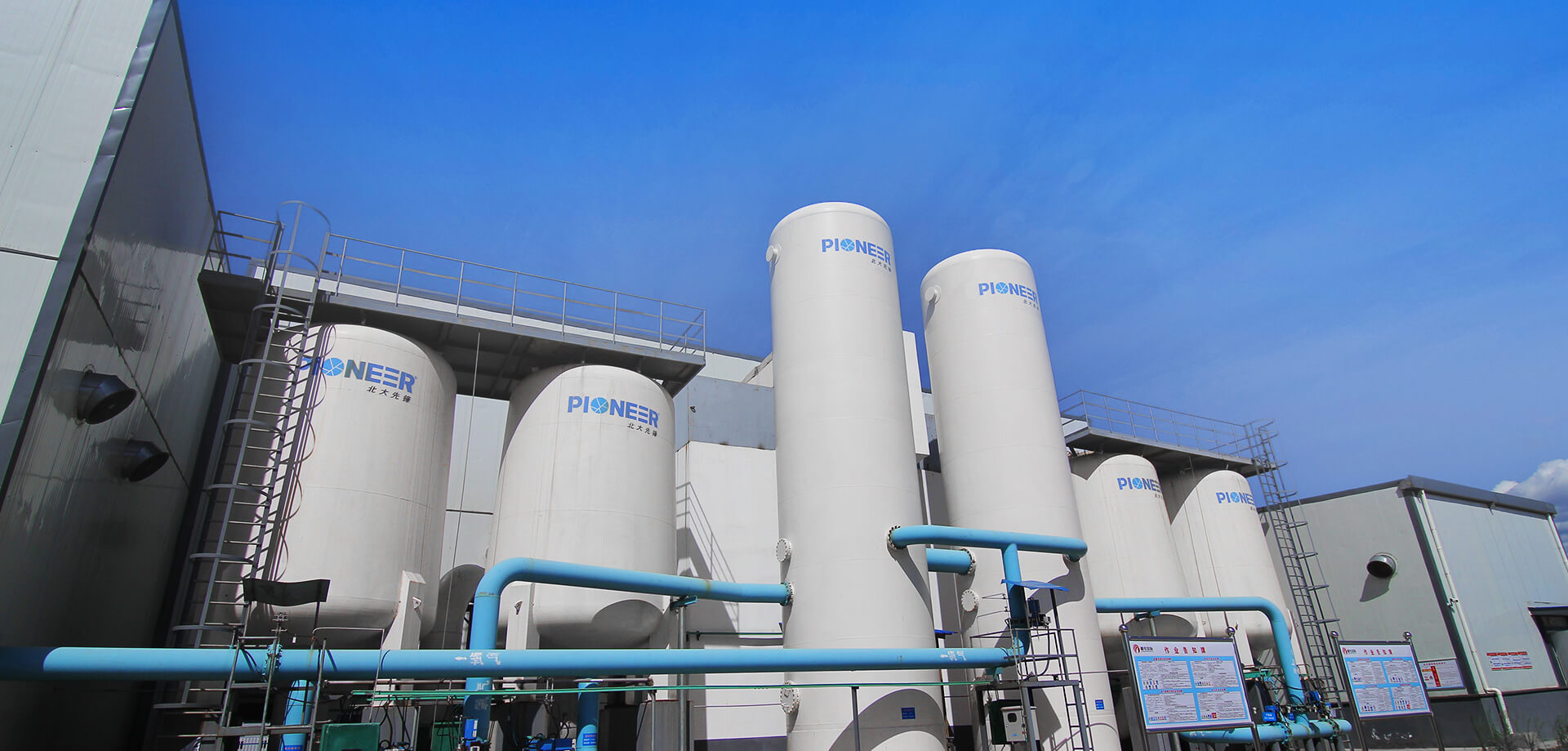
Advanced VPSA Oxygen Plant Solutions
Engineered from decades of manufacturing expertise in gas separation and validated through thousands of industrial operating hours, the VPSA-O2 plant combines proprietary lithium-based adsorbent performance with proven airflow distribution and process design. This creates a robust oxygen plant architecture that supports continuous production through PLC-controlled cyclic switching, delivering high availability and cost-effective operation for oxygen-enriched and oxy-fuel applications.
With expertise in large-scale gas delivery for industrial gas systems, PKU Pioneer provides complete equipment design, manufacture, and engineering construction capabilities for VPSA and PSA gas separation solutions, with a strong track record across a broad set of heavy industry and process manufacturing sectors.
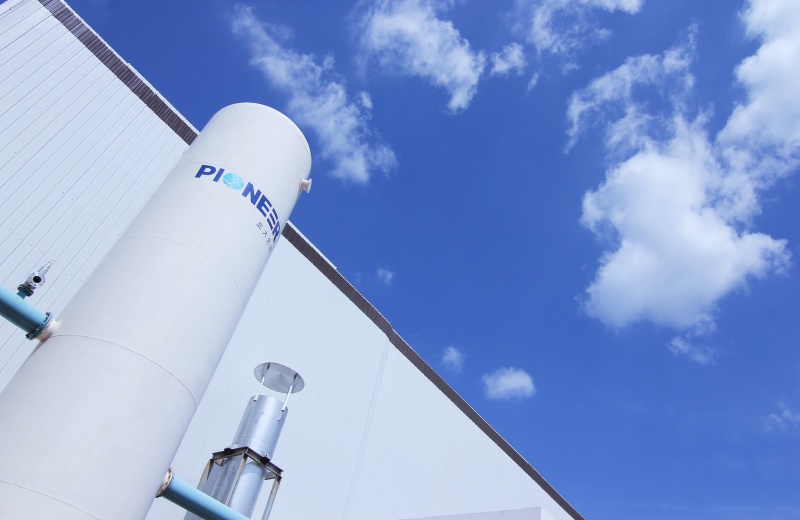
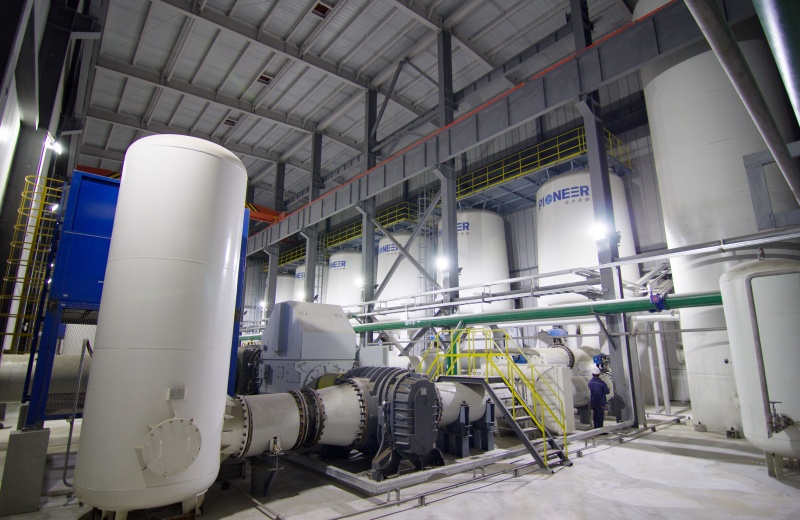
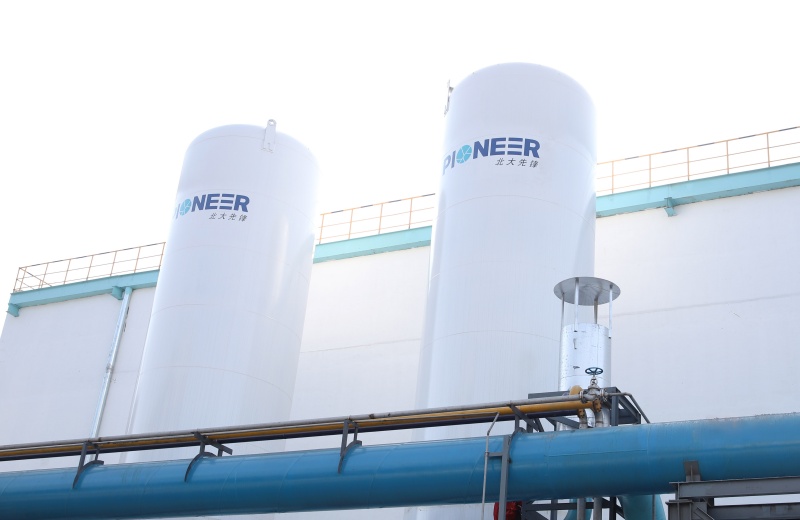
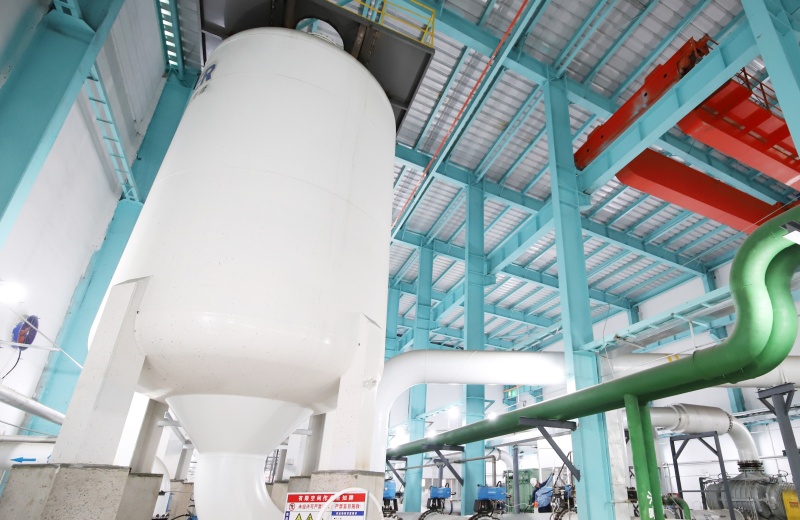
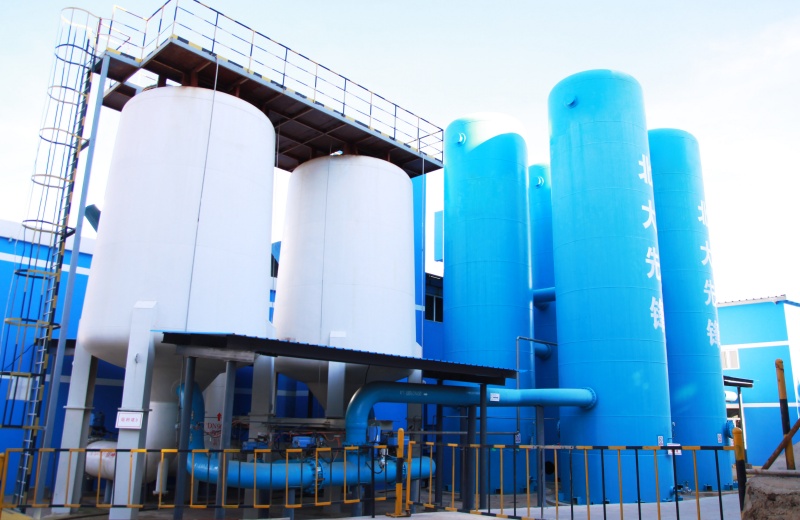
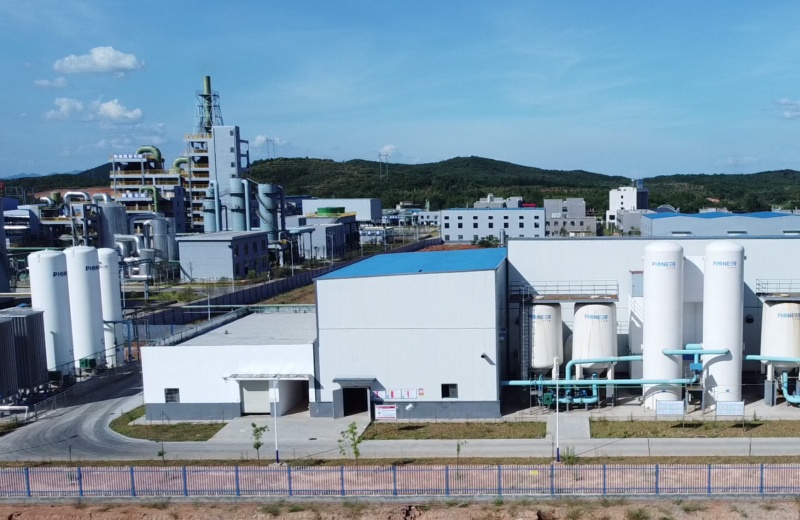
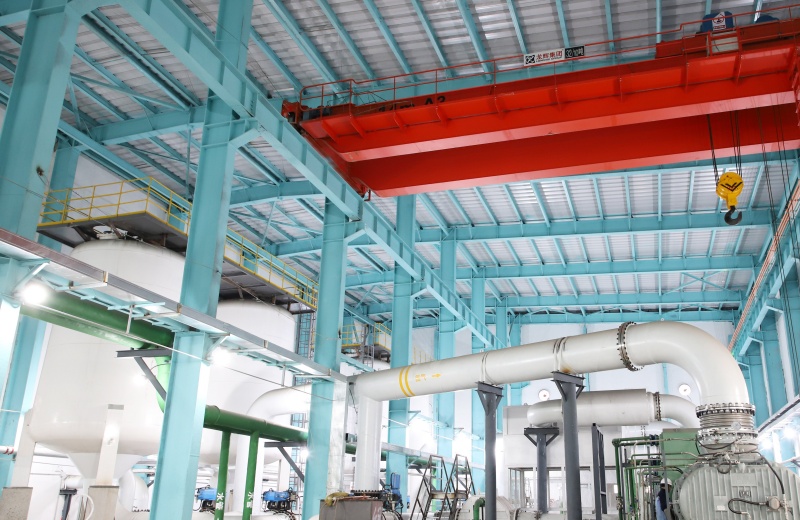
Key Features & Specifications
Technical Advantages
High-efficient lithium-based VPSA-O2 adsorbent PU-8
Unique airflow distribution technology
Advanced process design
Reliable supplementary devices
Energy-efficient and large-scale VPSA-O2 plants that provide oxygen product at a lower cost
Optimized floor plan to save space
Short construction timeline, with only 4–6 months from design to production
Wide turndown range to match variable process demand.
VPSA Oxygen System Parameters
VPSA Oxygen System Parameters with Oxygen Purity of 90% are listed below.
| Model | Oxygen yield | Load adjustment range | Water Consumption | Power Consumption | Plot area |
|---|---|---|---|---|---|
| Nm3/h | % | t/h | KWh/m3 | m2 | |
| ZO-1000 | 1000 Nm3/h ~34 TPD | 50%~100% | 30 | Chat with us for details | 468 |
| ZO-3000 | 3000 Nm3/h ~103 TPD | 50%~100% | 70 | Chat with us for details | 572 |
| ZO-5000 | 5000 Nm3/h ~171 TPD | 50%~100% | 121 | Chat with us for details | 648 |
| ZO-8000 | 8000 Nm3/h ~274 TPD | 25%~100% | 205 | Chat with us for details | 1350 |
| ZO-10000 | 10000 Nm3/h ~342 TPD | 25%~100% | 242 | Chat with us for details | 1350 |
| ZO-12000 | 12000 Nm3/h ~412 TPD | 25%~100% | 258 | Chat with us for details | 1508 |
| ZO-15000 | 15000 Nm3/h ~514 TPD | 17%~100% | 363 | Chat with us for details | 1890 |
| ZO-18000 | 18000 Nm3/h ~617 TPD | 17%~100% | 387 | Chat with us for details | 2088 |
| ZO-20000 | 20000 Nm3/h ~686 TPD | 13%~100% | 482 | Chat with us for details | 2800 |
Working Principle and
System Description
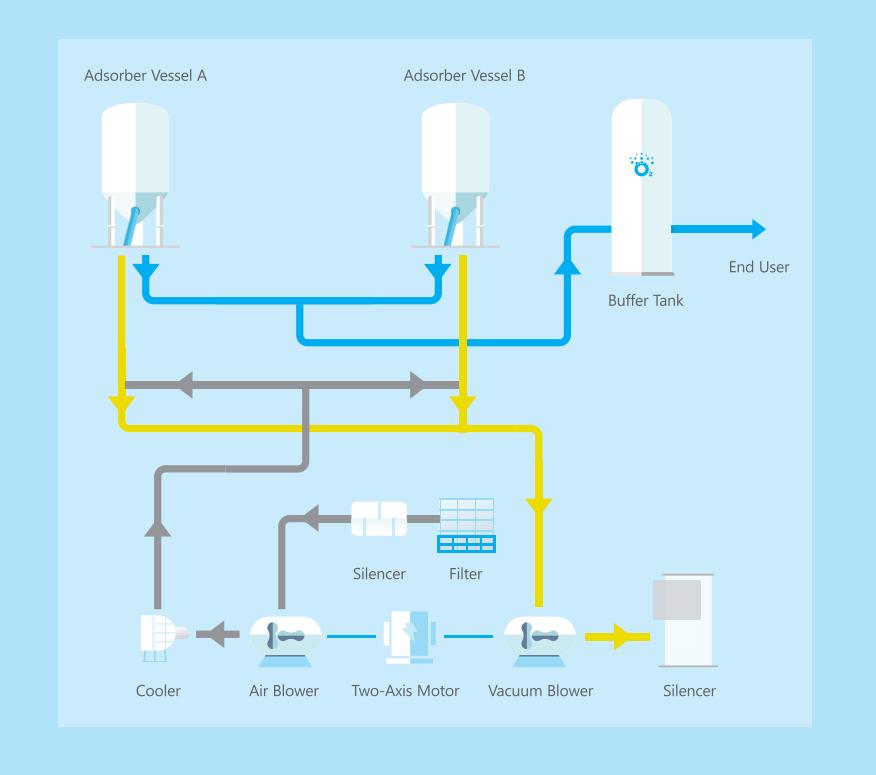
The VPSA-O2 after desorption is sent into the adsorption vessel of the VPSA-O2 system by a blower after being filtered to remove mechanical impurities. The adsorber is a double-vessel system, and its product is oxygen. N2, CO2 and H2O in the air are adsorbed and a vacuum pump will be applied after saturated adsorption to ensure the adsorbents in the adsorption vessel are completely desorbed for regeneration.
The dual-vessel system enables continuous oxygen generation, with cyclic switching of program control valves managed by a PLC-based control system.
Process Steps for VPSA Oxygen Production
The general operating steps to separate and enrich oxygen by vacuum pressure swing adsorption oxygen plants are shown below. In one cycle, each adsorption vessel needs to undergo five steps: adsorption, pressure reduction, vacuum desorption, purging, and pressure increasing.
Adsorption
The air is sent into the adsorption tower by the Roots blower after mechanical impurities are removed.
The H2O, CO2, and N2 in the air stay in the adsorbent bed. And the riched O2, adsorbed litle in the adsober, is discharged from the outlet of the tower.
A portion of the oxygen produced by this step is sent to the buffer tank, and the remaining portion is reserved for the next step to regenerate and boost the pressure in the adsorption tower.
Pressure Reduction
In the pressure reduction step, oxygen-rich gas passes along the vessel outlet. The gas enters another vessel in the pressure increasing step, and the pressure goes up.
Vacuum Desorption
The vacuum pump is applied after saturated adsorption to ensure the adsorbents are completely desorbed for regeneration.
Purging
Oxygen is used to purge the bed as part of the regeneration sequence.
Pressure Increasing
The vessel pressure is raised as part of the cyclic switching program to prepare for the next adsorption step.
Typical Cases
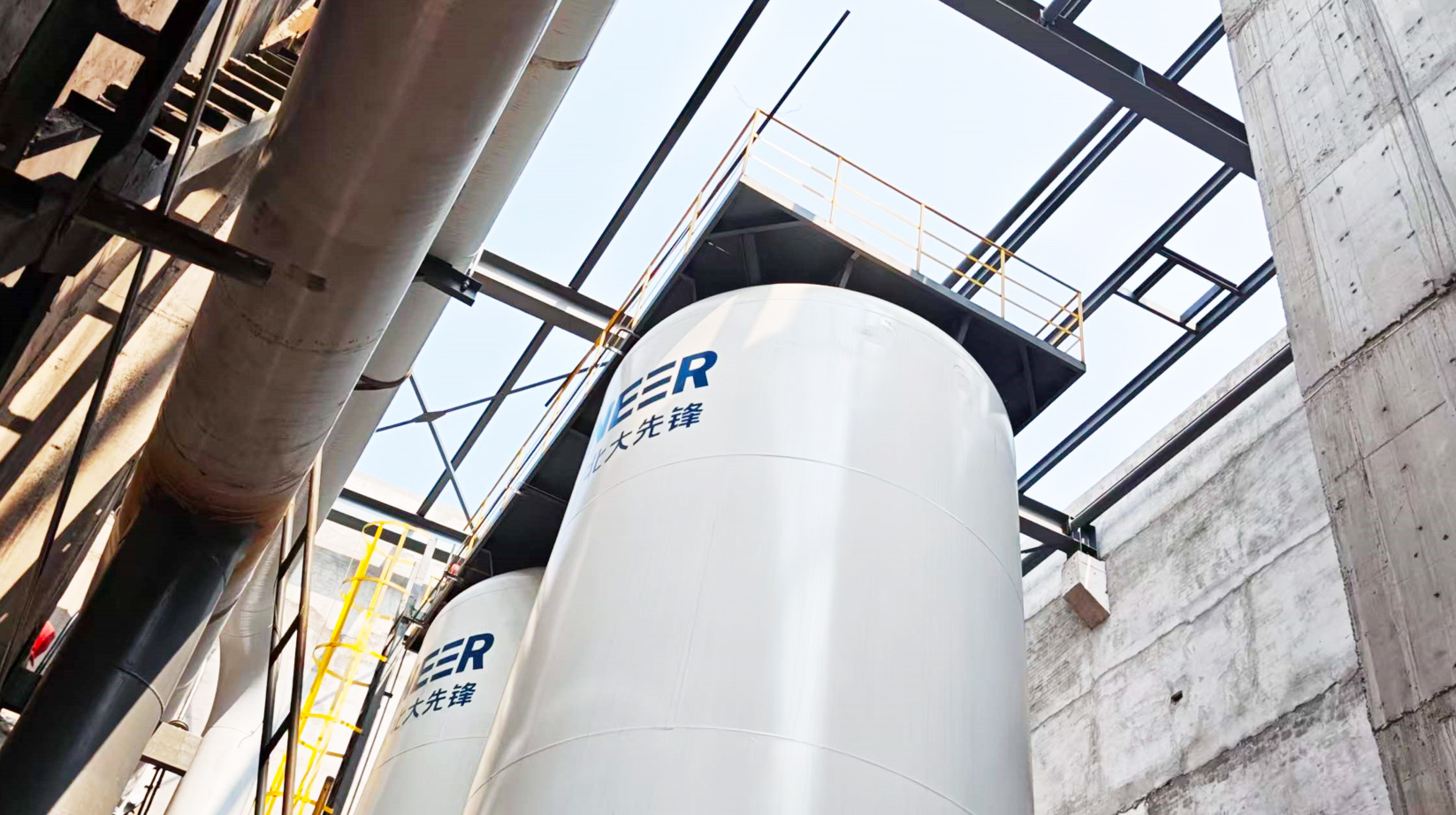
15,000 Nm³/h VPSA Oxygen Plant for a Leading Cast Iron Producer by PKU Pioneer
A 15,000 Nm³/h VPSA oxygen plant, retrofitted within the existing facility to double capacity, now operational at a North China cast iron producer — achieving power consumption as low as 0.28 kWh/Nm³ (100% O₂ basis) and cutting oxygen costs by ~50% versus cryogenic separation, with a projected payback period of under one year.
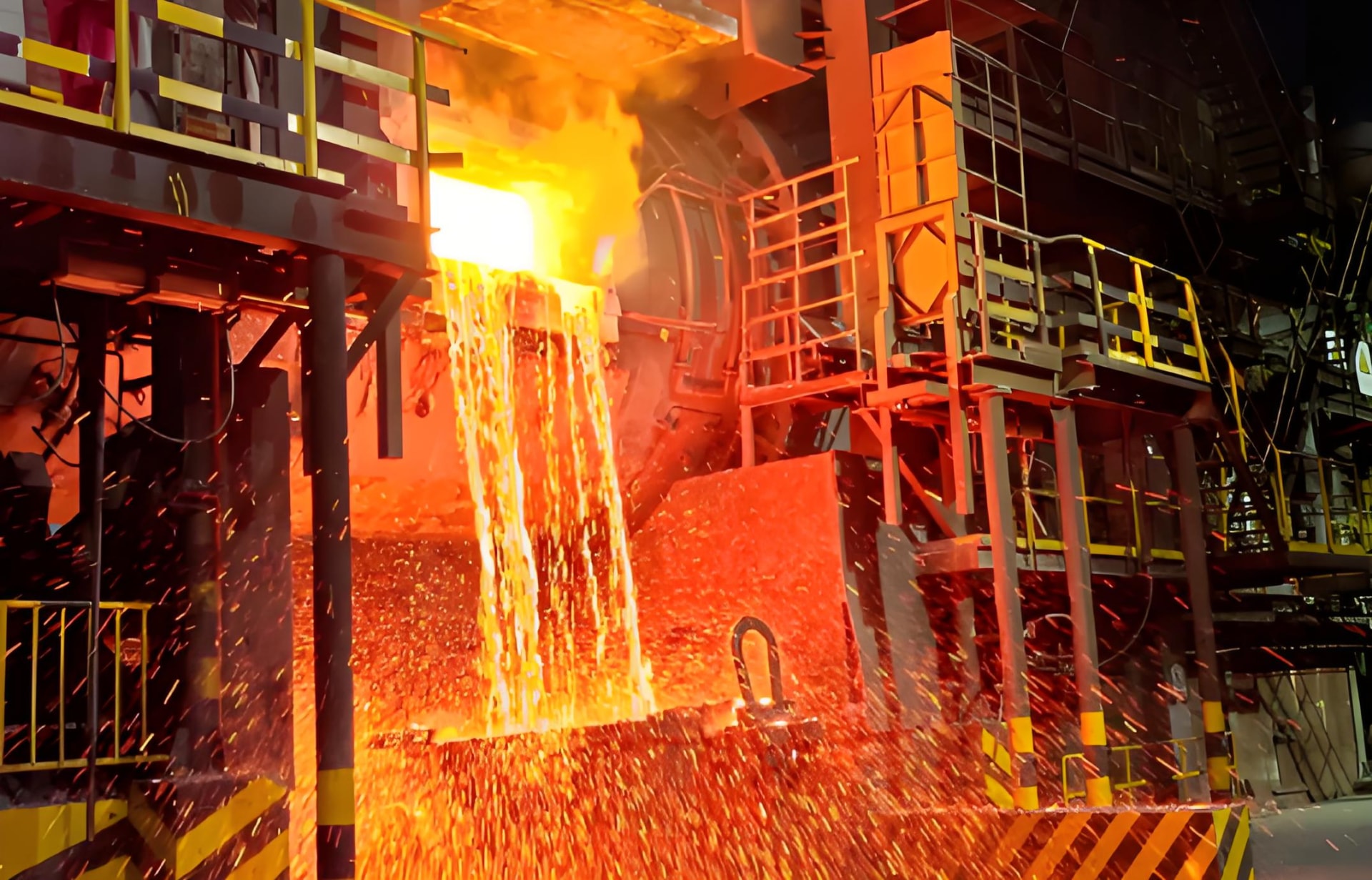
12,500 Nm³/h VPSA Oxygen Plant for Copper Smelting
PKU Pioneer successfully commissioned a 12,500 Nm³/h VPSA oxygen plant for Wuxin Copper, helping eliminate oxygen supply bottlenecks and improve oxygen-enriched smelting efficiency. The project significantly reduced oxygen production costs, enhanced automation capabilities, and supported the customer’s capacity expansion and green metallurgy upgrade.
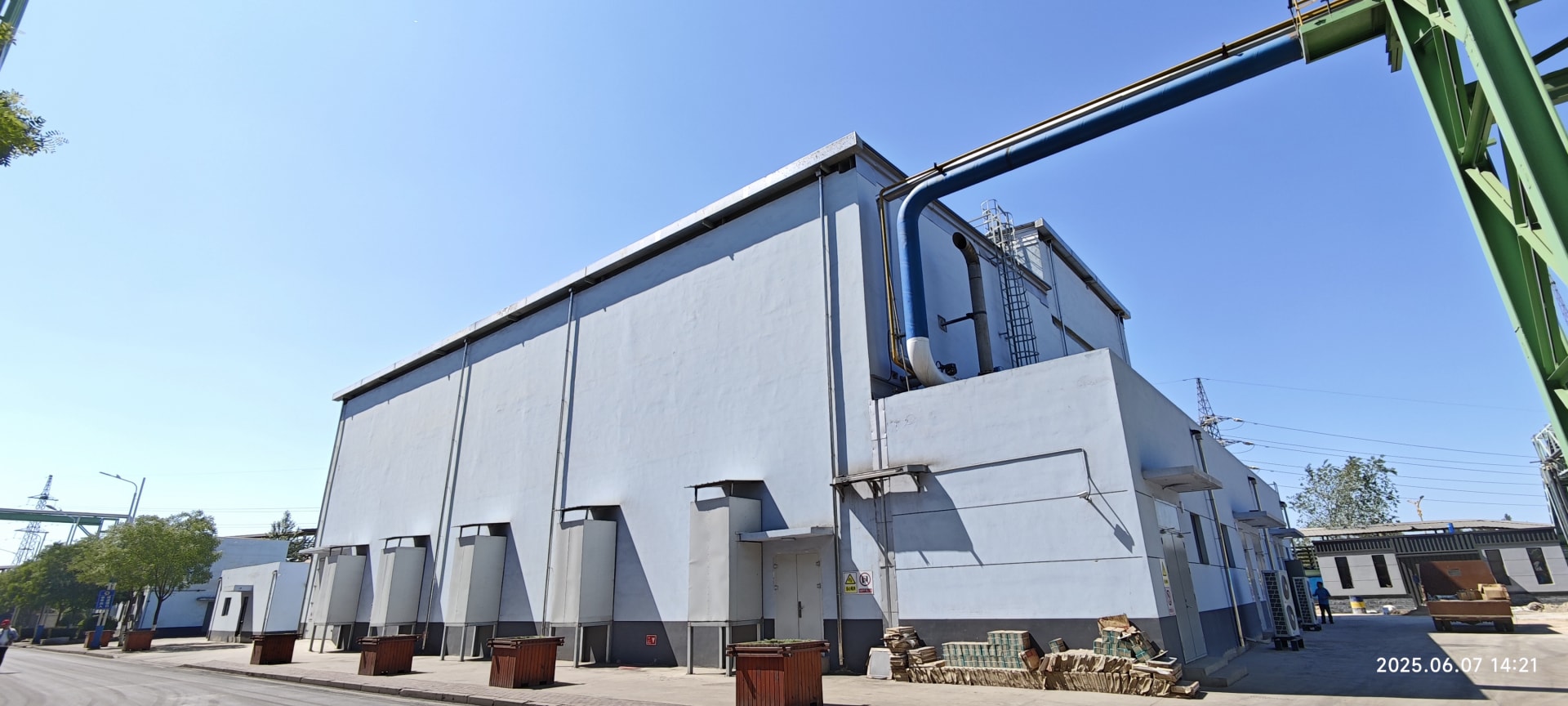
Blast Furnace Oxygen Enrichment PSA Project
PKU Pioneer successfully commissioned a second-phase 14,000 Nm³/h PSA oxygen plant for Chifeng Yuanlian Iron & Steel, expanding total oxygen generation capacity to 28,000 Nm³/h. The project significantly reduced oxygen production costs, improved operational flexibility, and supported the steel mill’s energy-saving and low-carbon transformation goals.
Characteristics of Vacuum Pressure Swing Adsorption (VPSA) Oxygen Production Technology
Industrial oxygen production methods mainly include cryogenic air separation oxygen generation, vacuum pressure swing adsorption oxygen production and membrane separation oxygen production. VPSA is an advanced gas separation technology standing at an irreplaceable position in the field of gas supply. Main features of vacuum pressure swing adsorption oxygen plant are as follows:
Based on these characteristics, VPSA technology is more advantageous in variable and low-purity (80~94%) oxygen use due to low cost, easy operation, and flexible load adjustment compared with cryogenic oxygen production technology (large-scale oxygen with >95% purity).
Start Your System Design
Reduce dependency on external supply and stabilize your production with VPSA oxygen generation.
Solutions for All Your Oxygen Usage Scenarios
Every sector has unique gas needs. We engineer solutions that fit.
Key Benefits & Competitive Advantages
A leading supplier with the most references and the richest project experience over the past 15+ years.
Proprietary lithium-based adsorbent PU-8 for energy-efficient oxygen production with 20-30% lower unit oxygen energy consumption than industry average.
100+ leading global steel companies’ recognition & 80+ benchmark cases in non-ferrous metallury industry.
VPSA engineering experience across frigid, high-altitude, and tropical environments — stable equipment operation guaranteed in extreme weather.
Ultra-short project delivery timeline: 4–6 months design-to-delivery cycle, with a China benchmark of less than 90 days.
Pioneer Cloud System for intelligent O&M—24h remote diagnostics and fault warning & extended equipment service life.
Model-dependent load turndown capability supporting process variability with adjustment ranges of 13–100% or 50–100%.
~4.2 million USD as annual R&D investment & 100+ professional R&D personnel, driving product upgrades continuously.
Application Scenarios & Use Cases
| Scenario | Industry | Key Benefit | Why This Product |
|---|---|---|---|
| Blast furnace oxygen enrichment | Iron and steel | Improves enrichment stability and supports continuous operation | Large-scale VPSA-O2 parameters and typical case experience in blast furnace enrichment |
| Oxygen-enriched recycled copper smelting | Non-ferrous metallurgy | Reduces oxygen supply constraints and improves process control | Proven oxygen unit application in recycled copper oxygen-enriched smelting |
| Copper, lead, and zinc smelting at high altitude | Non-ferrous metallurgy | Reliable oxygen supply under challenging site conditions | Typical high-altitude oxygen system case and engineered cyclic control for continuous oxygen generation |
| Oxy-fuel and oxygen-enriched combustion | Glass and fiberglass | Supports combustion optimization and stable oxygen delivery | VPSA technology delivers oxygen product while adsorbing nitrogen, CO2, and water vapor from air |
| Chemical oxidation processes requiring stable oxygen | Chemical industry | VPSA oxygen availability improves uptime and supply stability | PLC-controlled cyclic switching and continuous generation architecture |
| Environmental and energy-saving retrofits using oxygen enrichment | Energy and environmental projects | Enables process efficiency improvements | Compact process concept and flexible load adjustment match variable operating requirements |
| Distributed oxygen supply for multi-line manufacturing sites | Process manufacturing | Supports right-sized capacity selection and controllable operation | Standard model range from 1000 to 20000 Nm3/h with defined plot area and water consumption data |
| Projects requiring remote operation and reduced staffing | Industrial utilities | Simplifies operations and reduces manual intervention | Full-automatic 24-hour operation and remote monitoring through communication interface |
Competitive Comparison
| Feature/Aspect | This Product | Typical Alternative |
|---|---|---|
| VPSA oxygen production | ✓ | ✓ or ✗ |
| Suitable oxygen purity for oxygen-enriched use | ✓ | ✓ |
| Very high oxygen purity capability | ✗ | ✓ for cryogenic systems |
| Startup speed to qualified oxygen | ✓ | ✗ |
| Flexible load adjustment | ✓ | ✗ or limited |
| Automation for 24-hour operation | ✓ | ✓ or ✗ |
| Remote monitoring through communication interface | ✓ | ✓ or ✗ |
| Operating temperature and pressure profile | Normal temperature and low pressure | Often higher complexity for large cryogenic systems |
| Investment profile for variable and low-purity oxygen demand | Advantage | Often less favorable |
| Regeneration via vacuum desorption with vacuum pump | ✓ | Not applicable for membrane and different for cryogenic |
Technology & Design Highlights
Lithium-Based Adsorbent and Airflow Distribution
VPSA-O2 Plant is built around high-efficient lithium-based VPSA-O2 adsorbent PU-8, selected to support oxygen enrichment performance at industrial scale. The system integrates unique airflow distribution technology to improve bed utilization and maintain stable separation behavior across cyclic switching. This combination supports energy-efficient oxygen generation and aligns with large-capacity plant design goals.
Double-Vessel Adsorber Architecture and Cyclic Switching
The adsorber is a double-vessel system to enable continuous oxygen production. Under PLC-based logic control, program-control valves control each vessel to alternate between adsorption and regeneration cycles. This design supports stable oxygen delivery while N2, CO2, and H2O are adsorbed from the incoming air stream.
Filtration, Blower, and Vacuum Regeneration
Mechanical impurities are removed from the air, which is then sent into the adsorption vessel by a blower. Once the adsorbent reaches saturation, a vacuum pump drives complete desorption for regeneration. This vacuum desorption step is foundational to maintaining repeatable separation performance and sustaining continuous operation cycles in industrial duty.
Process Engineering for Industrial Economics
The process design aligns with key economic metrics for oxygen production, featuring compact structure, automation readiness, and flexible load regulation. Power consumption is referenced as unit energy per 100% pure oxygen under defined design conditions, enabling consistent evaluation across operating points.
Industry Compliance &
Quality Assurance
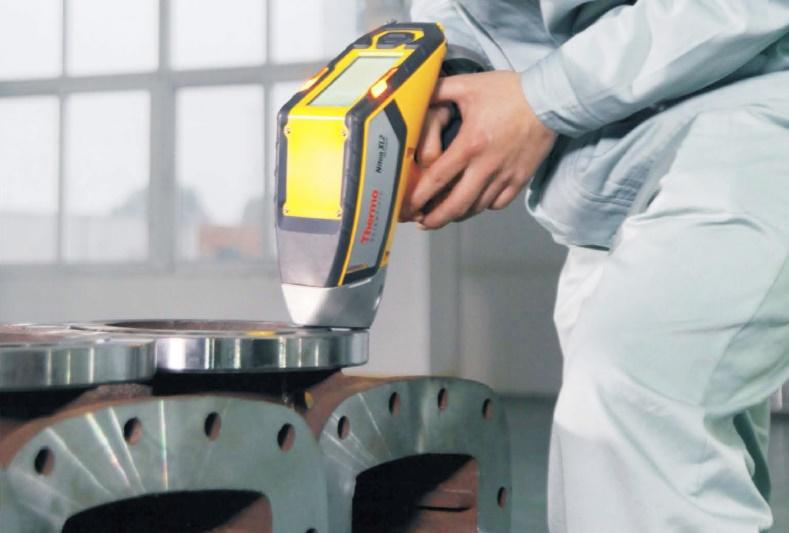
PKU Pioneer is a state-recognized high-tech enterprise specializing in VPSA and PSA gas separation technologies. We are dedicated to R&D, design, manufacturing, and full-scale engineering construction of complete equipment sets. We operate a dedicated R&D platform supported by a specialized team, a pilot base, and production facilities for adsorbents and catalysts.
Both our product development and project delivery are driven by a long-standing commitment to innovation and continuous improvement. Performance indicators across delivered large and medium gas separation and purification plants and projects are positioned to reach international advanced standards, reflecting a mature quality culture aligned with industrial customer expectations for safety, reliability, and lifecycle performance.
Global Reach & Target Markets
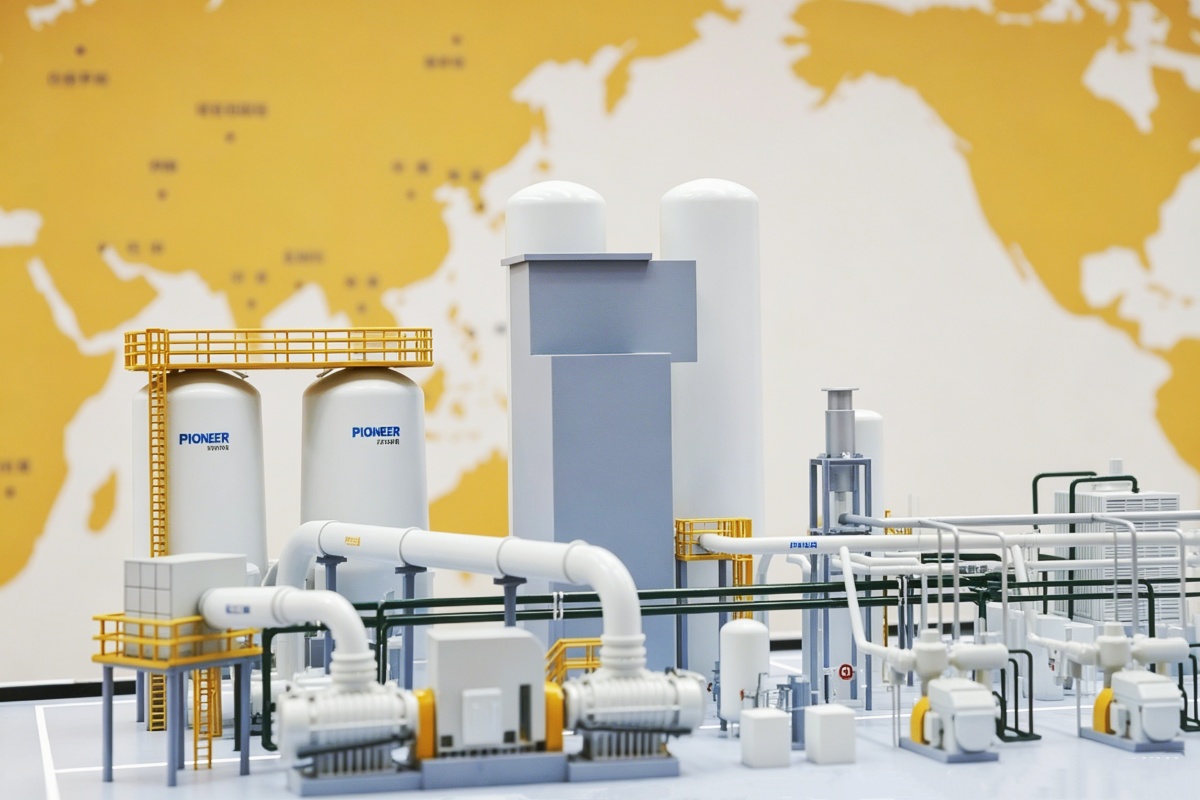
VPSA-O2 Plant is designed for global industrial oxygen demand where stable VPSA supply and cost-effective operation are priorities. With extensive successful case studies and rich experience serving clients across multiple regions, PKU Pioneer supports customers with engineering-depth project execution, commissioning capability, and long-term service readiness, while aligning plant design with regional industrial practices and compliance expectations.
East Asia
Southeast Asia
Middle East
Europe
Americas
Customer Success & Experience
Across decades of specialization in VPSA and PSA gas separation, PKU Pioneer has developed a complete delivery system spanning R&D, adsorbent and catalyst production, equipment manufacturing, and engineering construction. This depth translates into practical, field-oriented designs that prioritize continuous oxygen generation stability, automation readiness, and maintainable plant architecture for industrial operators.
Project experience includes oxygen systems applied to blast furnace oxygen enrichment and oxygen-enriched smelting in non-ferrous metallurgy, including deployments in high-altitude environments where operational stability is critical. Customers typically adopt VPSA-O2 Plant to strengthen oxygen supply resilience, reduce operating friction, and enable process upgrades such as oxygen enrichment and oxy-fuel combustion strategies.
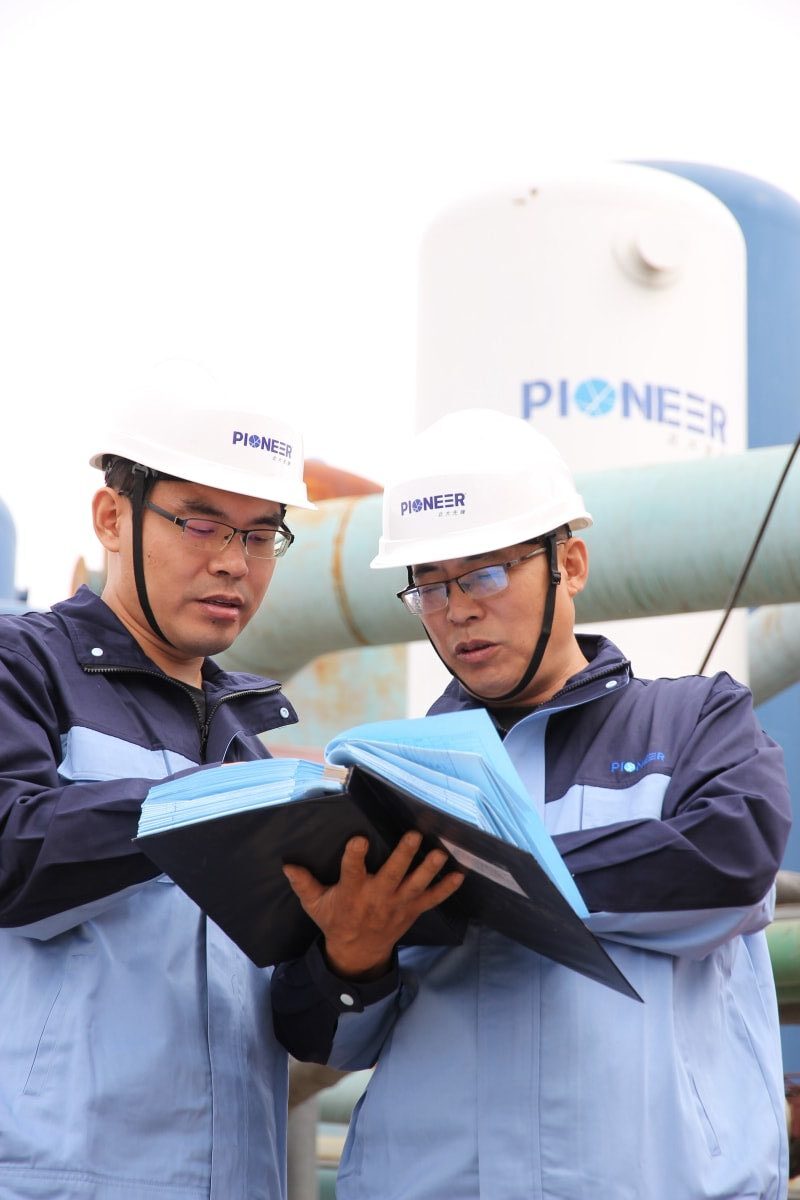
After-sales support is structured around a sophisticated service system developed through years of engineering practice. Customers benefit from commissioning-ready automation design, remote monitoring capability through communication interfaces, and application-focused guidance that supports repeatable outcomes, on-time ramp-up, and long-term satisfaction that drives repeat orders.
FAQ
Engineered Solutions Built for Performance
Power Your Oxygen Supply with VPSA Technology
Secure a stable, cost-effective oxygen solution tailored to your process.
Our engineering team supports you from system design to commissioning, ensuring reliable performance in real industrial conditions.
Request a Consultation
Tell us about your needs and we’ll get back to you shortly.